


Գրաֆիտի նյութերի պրոֆեսիոնալ մատակարար, գրաֆիտ EV-ի համար, քսուք, վառարաններ և ցանկացած այլ արդյունաբերություն.


ԱՊՐԱՆՔԻ ՊԱՐԱՄԵՏՐՆԵՐ
Նկարագրություն
The reducing power of hydroxylated carbon nanotubes (HCNTs) in batteries is an important factor that affects the overall performance and efficiency of the batteries. The reduction of battery internal resistance, also known as electrolyte resistance, is typically achieved through the formation of functional groups on the surface of the nanotubes that can improve their compatibility with the battery’s electrolyte.
(Hydroxylated carbon nanotubes Reduce the battery internal resistance)
Overview of Hydroxylated carbon nanotubes Reduce the battery internal resistance
Carbon nanotubes (CNTs) are cylindrical nanostructures consisting of a single sheet of rolled-up graphene, a two-dimensional lattice of carbon atoms. Հայտնաբերվել է 1991, CNTs exhibit extraordinary properties due to their unique molecular structure, making them one of the most promising materials in nanotechnology. Նրանք կարող են լինել միայնակ պատերով (SWCNTs) կամ բազմապատի (MWCNTs), տարբերվում են համակենտրոն ածխածնային շերտերի քանակով.
Features of Hydroxylated carbon nanotubes Reduce the battery internal resistance
Բացառիկ ուժ և կոշտություն: CNT-ները հայտնի ամենաուժեղ և կոշտ նյութերից են, առաձգական ուժերով մինչև 60 անգամ ավելի մեծ, քան պողպատը.
Թեթև քաշ: Չնայած նրանց ուժին, CNT-ները չափազանց թեթև են, գրաֆիտին մոտ խտությամբ.
Բարձր ջերմային և էլեկտրական հաղորդունակություն: Նրանք կարող են ջերմություն և էլեկտրականություն փոխանցել շատ ավելի լավ, քան պղնձը, արծաթ, կամ ոսկի, էլեկտրոններով, որոնք ազատորեն հոսում են խողովակի երկարությամբ.
Քիմիապես իներտ: CNT-ները բարձր դիմացկուն են քիմիական ռեակցիաների և կոռոզիայի նկատմամբ, պահպանելով իրենց հատկությունները կոշտ միջավայրում.
Ճկունություն: Նրանք կարող են թեքվել կամ ոլորվել առանց կոտրելու, ցուցադրելով գերազանց ճկունություն իրենց ուժի հետ մեկտեղ.
Մեծ մակերեսով: CNT-ներն ունեն մակերեսի և ծավալի աներևակայելի բարձր հարաբերակցություն, բարձրացնելով դրանց արդյունավետությունը կլանման և կատալիտիկ կիրառություններում.

(Hydroxylated carbon nanotubes Reduce the battery internal resistance)
Parameter of Hydroxylated carbon nanotubes Reduce the battery internal resistance
The reducing power of hydroxylated carbon nanotubes (HCNTs) in batteries is an important factor that affects the overall performance and efficiency of the batteries. The reduction of battery internal resistance, also known as electrolyte resistance, is typically achieved through the formation of functional groups on the surface of the nanotubes that can improve their compatibility with the battery’s electrolyte.
One example of this is the addition of hydroxyl groups to the surface of CNTs. These groups allow for better interaction with the electrolyte solution, which helps to reduce the resistance between the negatively charged metal electrodes and the positively charged cathode. This results in improved overall performance of the battery by allowing it to charge more quickly and efficiently.
Another approach to reducing battery internal resistance in HCNTs is the use of catalysts or other additives that can help to lower the energy required for electron transfer between the metal electrodes. This can be especially important in high-energy applications where increased energy efficiency is crucial.
Ընդհանուր առմամբ, the reduction of battery internal resistance in HCNTs is a complex process that involves several factors, including the choice of functional groups, the presence of catalysts or additives, and the overall design and construction of the battery. Այնուամենայնիվ, these approaches have shown promise in improving the performance and efficiency of batteries, particularly in high-performance applications.

(Hydroxylated carbon nanotubes Reduce the battery internal resistance)
Applications of Hydroxylated carbon nanotubes Reduce the battery internal resistance
Էլեկտրոնիկա: Օգտագործվում է տրանզիստորներում, սենսորներ, and displays due to their high conductivity and small size, potentially revolutionizing electronics miniaturization.
Կոմպոզիտային նյութեր: Mixed with polymers to create lightweight, strong composites for aerospace, ավտոմոբիլային, և սպորտային սարքավորումներ.
Էներգիայի պահեստավորում: In batteries and supercapacitors, CNTs improve energy storage capacity and charge/discharge rates.
Biomedical: As drug delivery vehicles, tissue engineering scaffolds, and in biomedical sensors due to their biocompatibility and unique transport properties.
Catalysts: Their large surface area makes CNTs efficient catalyst supports and catalysts themselves in various chemical reactions.
Environmental Remediation: Utilized for water purification and air filtration due to their adsorptive properties for contaminants.
Ընկերության պրոֆիլը
Graphite-Corp-ը քիմիական նյութերի համաշխարհային վստահելի մատակարար է & արտադրող, որն ունի ավելի քան 12 տարվա փորձ գերբարձր որակի գրաֆիտի փոշի և գրաֆենի արտադրանք.
Ընկերությունն ունի մասնագիտական տեխնիկական բաժին և որակի վերահսկողության բաժին, լավ կահավորված լաբորատորիա, և հագեցած է առաջադեմ փորձարկման սարքավորումներով և հաճախորդների սպասարկման կենտրոնով.
Եթե դուք փնտրում եք բարձրորակ գրաֆիտի փոշի և հարաբերական արտադրանք, խնդրում ենք ազատ զգալ կապվել մեզ հետ կամ սեղմել անհրաժեշտ ապրանքների վրա՝ հարցում ուղարկելու համար.
Վճարման մեթոդներ
L/C, Տ/Տ, Western Union, Paypal, Վարկային քարտ և այլն.
Առաքում
Այն կարող էր առաքվել ծովով, օդային ճանապարհով, կամ շուտափույթ բացահայտման միջոցով մարման անդորրագիրը ստանալուն պես.
FAQs of Hydroxylated carbon nanotubes Reduce the battery internal resistance
Ք: Is Hydroxylated carbon nanotubes Reduce the battery internal resistance safe for human health and the environment?
Ա: Concerns have been raised about the potential toxicity of CNTs, particularly their respirable forms, which may resemble asbestos fibers. Research is ongoing to establish safe handling practices and assess long-term environmental impacts.
Ք: How is Hydroxylated carbon nanotubes Reduce the battery internal resistance produced?
Ա: There are several methods to produce CNTs, including arc discharge, laser ablation, and chemical vapor deposition (CVD), with CVD being the most common for industrial-scale production.
Ք: Can Hydroxylated carbon nanotubes Reduce the battery internal resistance be seen with the naked eye?
Ա: Ոչ, due to their nanoscale dimensions (typically 1-100 nanometers in diameter), CNTs are invisible to the naked eye and require electron microscopy for visualization.
Ք: Is Hydroxylated carbon nanotubes Reduce the battery internal resistance expensive?
Ա: Historically, CNTs were very expensive due to complex synthesis processes. Այնուամենայնիվ, advances in production methods have lowered costs, though they remain more expensive than many conventional materials.
Ք: How does Hydroxylated carbon nanotubes Reduce the battery internal resistance compare to graphene?
Ա: Both are forms of carbon with exceptional properties, but graphene is a flat sheet while CNTs are tubes. Graphene offers superior in-plane conductivity, while CNTs excel in out-of-plane conductivity and have additional mechanical advantages due to their tubular structure.

(Hydroxylated carbon nanotubes Reduce the battery internal resistance)
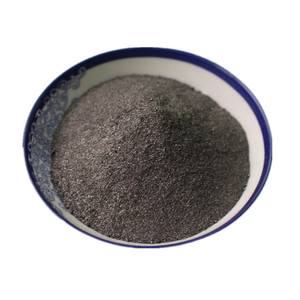
(Hydroxylated carbon nanotubes Reduce the battery internal resistance)
ՊԱՀԱՆՋԵԼ ՄԵԿՆԱՐԿ
ՀԱՐԱԿԻՑ ԱՊՐԱՆՔՆԵՐ
Carbon fiber tube with filament winding process towpreg
Carbon nanotubes Reduce the battery internal resistance

High quality SWCNT DWCNT MWCNT Carbon nanotubes
High Temperature Resistant Carbon Fiber Hollow Round Tube For Mechanical Parts

Nonwoven Activated Carbon Air Filter Fabric for Carbon Nanotube Use
