


Professional graphite khoom tsum, Graphite rau EV, roj, rauv thiab lwm yam kev lag luam.


PRODUCT PRAMETERS
Kev piav qhia
A single layer carbon nanotube (SCLNT) is a type of carbon nanotube that has only one layer of carbon atoms packed tightly together, creating a highly interconnected network structure. SCLNTs have many potential applications in areas such as electronics, medicine, and energy storage.
(Single Layer Carbon Nanotube s For R&D)
Overview of Single Layer Carbon Nanotube s For R&D
Cov pa roj carbon nanotubes (CNTs) yog cylindrical nanostructures uas muaj ib daim ntawv ntawm dov-up graphene, ob-dimensional lattice ntawm carbon atoms. Tshawb pom hauv 1991, CNTs nthuav tawm cov khoom tshwj xeeb vim lawv cov qauv molecular tshwj xeeb, ua rau lawv yog ib qho ntawm cov khoom lag luam zoo tshaj plaws hauv nanotechnology. Lawv tuaj yeem ua ib phab ntsa (SWCNTs) los yog ntau phab ntsa (MWCNTs), txawv ntawm tus naj npawb ntawm concentric carbon txheej.
Features of Single Layer Carbon Nanotube s For R&D
Exceptional Strength thiab nruj: CNTs yog cov ntaub ntawv muaj zog thiab tawv tshaj plaws paub, nrog tensile zog mus txog 60 lub sij hawm ntau dua hlau.
Lub teeb: Txawm lawv lub zog, CNTs yog qhov hnyav heev, nrog qhov ntom ntom ze ntawm graphite.
High Thermal thiab hluav taws xob conductivity: Lawv tuaj yeem ua kom sov thiab hluav taws xob zoo dua tooj liab, nyiaj, los yog kub, nrog electrons ntws ywj pheej raws lub raj ntev.
Chemically Inert: CNTs yog heev resistant rau tshuaj tiv thaiv thiab corrosion, tswj lawv cov khoom nyob rau hauv ib puag ncig hnyav.
Yooj yim: Lawv tuaj yeem khoov lossis twisted yam tsis muaj kev tawg, qhia tau zoo heev yooj nrog lawv lub zog.
Loj Qhov Chaw: CNTs muaj qhov chaw siab kawg nkaus rau qhov ntim piv, Txhim kho lawv cov txiaj ntsig hauv adsorption thiab catalytic daim ntawv thov.
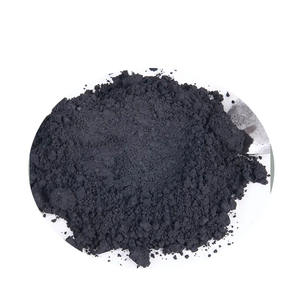
(Single Layer Carbon Nanotube s For R&D)
Parameter of Single Layer Carbon Nanotube s For R&D
A single layer carbon nanotube (SCLNT) is a type of carbon nanotube that has only one layer of carbon atoms packed tightly together, creating a highly interconnected network structure. SCLNTs have many potential applications in areas such as electronics, medicine, and energy storage.
For R&D parameter control in SCLNTs, there are several factors to consider, including:
1. Material properties: The diameter, chirality, and quality of the SCLNTs can affect their electrical and mechanical properties. These properties can be influenced by factors such as temperature, pressure, and composition.
2. Temperature stability: SCLNTs can form structural defects at high temperatures, which can affect their functionality and performance. Temperature stability is an important consideration for determining the range of temperatures over which SCLNTs can be used.
3. Optical properties: SCLNTs have unique optical properties, such as low light scattering and strong absorption. These properties can be useful for developing new devices or materials with specific optical properties.
4. Mechanical properties: SCLNTs can have high strength-to-weight ratios, which make them well-suited for use in aerospace and biomedical applications. Txawm li cas los, they can also be heavy and difficult to work with, which can limit their use.
Zuag qhia tag nrho, controlling these parameters for SCLNTs requires careful consideration of material properties, temperature stability, optical properties, and mechanical properties, and may require advanced analytical techniques and modeling software.
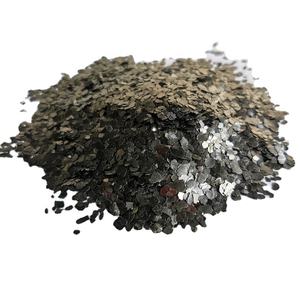
(Single Layer Carbon Nanotube s For R&D)
Applications of Single Layer Carbon Nanotube s For R&D
Electronics: Siv nyob rau hauv transistors, sensors, thiab nthuav tawm vim lawv cov conductivity siab thiab me me, muaj peev xwm revolutionizing electronics miniaturization.
Cov khoom siv sib xyaw: Sib tov nrog polymers los tsim lub teeb yuag, muaj zog composites rau aerospace, tsheb, thiab cov khoom ua si.
Zog Cia: Hauv cov roj teeb thiab supercapacitors, CNTs txhim kho lub zog cia muaj peev xwm thiab tus nqi them / tso tawm.
Biomedical: Raws li lub tsheb xa tshuaj, cov ntaub so ntswg engineering scaffolds, thiab hauv biomedical sensors vim lawv cov biocompatibility thiab cov khoom thauj tshwj xeeb.
Catalysts: Lawv thaj chaw loj loj ua rau CNTs muaj txiaj ntsig catalyst txhawb nqa thiab catalysts lawv tus kheej hauv ntau yam tshuaj tiv thaiv..
Kev kho ib puag ncig: Siv rau kev lim dej thiab huab cua pom vim lawv cov khoom adsorptive rau cov pa paug.
Tuam txhab Profile
Graphite-Corp yog ib qho kev ntseeg siab thoob ntiaj teb cov khoom siv tshuaj & chaw tsim tshuaj paus nrog ntau tshaj 12-xyoo-kev paub nyob rau hauv muab super zoo graphite hmoov thiab graphene khoom.
Lub tuam txhab muaj cov kws tshaj lij fab kev lag luam thiab Kev Tswj Xyuas Zoo, ib lub chaw kuaj mob zoo, thiab nruab nrog cov cuab yeej ntsuas qib siab thiab tom qab-muag kev pabcuam cov neeg siv khoom.
Yog tias koj tab tom nrhiav cov khoom zoo graphite hmoov thiab cov khoom txheeb ze, thov koj xav tiv tauj peb lossis nyem rau ntawm cov khoom xav tau kom xa cov lus nug.
Kev Them Nyiaj
L/C, T/T, Western Union, Paypal, Credit Card thiab lwm yam.
Kev xa khoom
Nws tuaj yeem raug xa los ntawm hiav txwv, los ntawm huab cua, los yog los ntawm kev qhia ASAP sai li sai tau thaum tau txais cov nyiaj them rov qab.
FAQs of Single Layer Carbon Nanotube s For R&D
Q: Is Single Layer Carbon Nanotube s For R&D safe for human health and the environment?
A: Kev txhawj xeeb tau tshwm sim txog qhov muaj peev xwm toxicity ntawm CNTs, tshwj xeeb tshaj yog lawv cov ntaub ntawv respirable, uas yuav zoo li asbestos fibers. Kev tshawb fawb tseem tab tom tsim kom muaj kev nyab xeeb kev coj ua thiab ntsuas kev cuam tshuam ib puag ncig mus ntev.
Q: How is Single Layer Carbon Nanotube s For R&D produced?
A: Muaj ntau txoj hauv kev los tsim CNTs, suav nrog arc tawm, laser ablation, thiab chemical vapor deposition (CVD), nrog CVD yog qhov ntau tshaj plaws rau kev tsim khoom lag luam.
Q: Can Single Layer Carbon Nanotube s For R&D be seen with the naked eye?
A: Tsis muaj, vim lawv qhov ntev nanoscale (feem ntau 1-100 nanometer hauv txoj kab uas hla), CNTs tsis pom ntawm qhov muag liab qab thiab xav tau electron microscopy rau kev pom.
Q: Is Single Layer Carbon Nanotube s For R&D expensive?
A: Keeb kwm, CNTs tau kim heev vim muaj cov txheej txheem sib xyaw ua ke. Txawm li cas los, kev nce qib hauv txoj kev tsim khoom tau txo tus nqi, txawm hais tias lawv nyob twj ywm kim dua li ntau cov khoom siv pa.
Q: How does Single Layer Carbon Nanotube s For R&D compare to graphene?
A: Ob leeg yog cov ntawv carbon nrog cov khoom tshwj xeeb, tab sis graphene yog daim ntawv tiaj tus thaum CNTs yog cov hlab. Graphene muab qhov zoo tshaj plaws hauv lub dav hlau conductivity, thaum CNTs ua tau zoo nyob rau hauv kev tawm ntawm lub dav hlau conductivity thiab muaj cov khoom zoo ntxiv vim lawv cov qauv tubular.
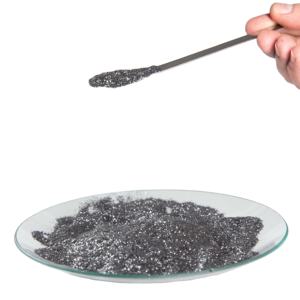
(Single Layer Carbon Nanotube s For R&D)
(Single Layer Carbon Nanotube s For R&D)
THOV QHIA
QHOV CHAW UA HAUJ LWM
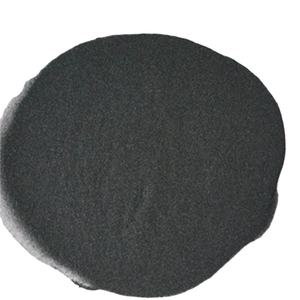
High-quality carbon nanotubes The average tube diameter of CNT powers can reach 8nm
Heat resistance carbon fiber graphite tubes made of imported fiber high-purity graphite tubes
Graphene enhanced conductive and thermal plastic carbon nanotubes super wear-resistant superconducting ABS

SAIDKOCC 1M Carbon Nanotube Fiber Wire/filament with High Conductivity, Thermal conductivity, and Strength
New Arrival 3.5 Meters OD 65 mm Big Long Carbon Fiber Taper Tube for Paddle Sports
