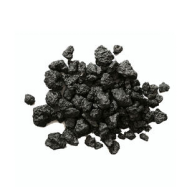
Dausoli iyaya ni graphite kenadau, grafiti me baleta na EV, waiwai, furnace kei na dua tale na cakacaka.

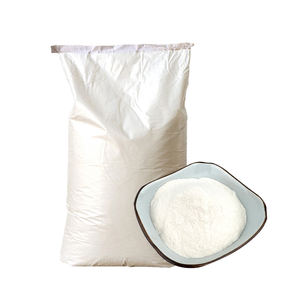
VEIKA E VAKARAUTAKI
Ivakamacala
The parameter of TOB Li-ion Battery Carbon Coated Silicon Powder As Si Anode Materials refers to the chemical composition and physical properties of the battery material, which plays an important role in its performance and durability.
(TOB Li-ion Battery Carbon Coated Silicon Powder As Si Anode Materials)
Overview of TOB Li-ion Battery Carbon Coated Silicon Powder As Si Anode Materials
Silicon anode material is a high-capacity alternative to traditional graphite anodes in lithium-ion batteries. Silikoni, with its significantly higher theoretical specific capacity (about 4200 mAh/g compared to graphite’s 372 mAh/g), promises to dramatically increase the energy density of batteries. This feature has made silicon anodes a focal point of research and development for next-generation batteries, particularly in applications requiring extended battery life or reduced weight, such as electric vehicles (EVs) and portable electronics.
Features of TOB Li-ion Battery Carbon Coated Silicon Powder As Si Anode Materials
High Lithium-Ion Capacity: Silicon can store much more lithium than graphite, theoretically resulting in substantial improvements in battery energy density.
Abundance and Sustainability: Silicon is the second most abundant element in the Earth’s crust, making it a readily available and sustainable option for battery production.
Low Reduction Potential: Facilitates efficient lithium insertion during battery charging.
Non-Toxic: Unlike some other high-capacity materials, silicon is non-toxic and environmentally friendly.
Challenges with Volume Expansion: Silicon experiences a volumetric expansion of up to 400% upon lithium absorption, leading to mechanical stress and potential electrode degradation.
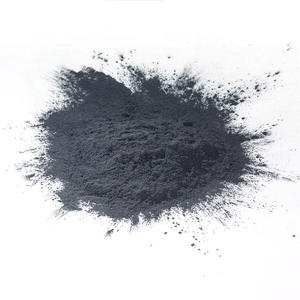
(TOB Li-ion Battery Carbon Coated Silicon Powder As Si Anode Materials)
Parameters of TOB Li-ion Battery Carbon Coated Silicon Powder As Si Anode Materials
The parameter of TOB Li-ion Battery Carbon Coated Silicon Powder As Si Anode Materials refers to the chemical composition and physical properties of the battery material, which plays an important role in its performance and durability.
The chemical composition of the material should include Si, C, O, etc., as well as other elements such as lithium, cobalt, nickel, iron, aluminum, and manganese. The physical properties, such as melting point, electrical conductivity, thermal stability, and mechanical strength, also play an important role in determining the performance of the battery.
Different materials have different properties that affect their performance and reliability in batteries. Kena ivakaraitaki, the presence of carbon coating can improve the heat dissipation of the material, reducing the risk of overheating and damaging the battery. The use of Si Anodes, on the other hand, can increase the battery’s capacity and stability by providing better chemical reactions with the electrolyte.
In summary, the parameter of TOB Li-ion Battery Carbon Coated Silicon Powder As Si Anode Materials is closely related to the composition and physical properties of the material, and it can significantly impact its performance and reliability in batteries.
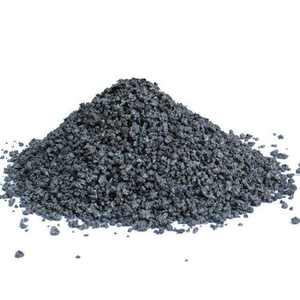
(TOB Li-ion Battery Carbon Coated Silicon Powder As Si Anode Materials)
Applications of TOB Li-ion Battery Carbon Coated Silicon Powder As Si Anode Materials
Motoka vakalivaliva (EVs): Silicon anodes can significantly extend EV driving ranges by increasing battery energy density.
Na iyaya vakalivaliva ni dauvolivoli: Enhance battery life in smartphones, vakacegu, and wearables, enabling thinner devices or longer usage times.
Energy Storage Systems (ESS): Improve grid-scale energy storage efficiency and duration for renewable energy sources like solar and wind.
Vanua ni waqavuka: Enable lighter and more powerful batteries for unmanned aerial vehicles (UAVs) and satellites.
iTukutuku ni Kabani
Na kalavo-Corp e dua na vuravura raraba nuitaki .kemikali dausoli iyaya & dauteitei kei na sivia na 12-yabaki-vakatovotovo ena kena vakarautaki na pauta ni graphite cecere kei na iyaya ni graphene.
Na kabani e tiko kina e dua na tabana ni tekinolaji vakacakacaka kei na Tabana ni Veiqaravi ni Quality ., e dua na vale ni vakadidike vakarautaki vinaka ., ka vakaiyaragitaki ena iyaya ni veivakatovolei torocake kei na vanua ni veiqaravi ni kasitama ni oti na volivolitaki ..
Kevaka o vakasaqara tiko na pauta ni graphite cecere kei na iyaya ni veiwekani ., yalovinaka vakila na galala mo veitaratara kei keda se kiliki ena veika e gadrevi me vakau e dua na vakatataro ..
Na iwalewale ni sausaumi
L/C, T/T, Iunioni ni Tokalau, Pepa, Kadi ni dinau kei na so tale.
Vakauta
E rawa ni vakau ena wasawasa ., ena cagi, se ena kena vakaraitaki ASAP ena gauna ga e ciqomi kina na sausaumi.
FAQs of TOB Li-ion Battery Carbon Coated Silicon Powder As Si Anode Materials
Q: Why isn’t silicon already widely used in commercial batteries if it has such high capacity?
KEI: Silicon’s massive volume expansion during charging leads to electrode degradation and reduced cycle life. Researchers are working on overcoming this issue through material engineering and design innovations.
Q: How do researchers address the issue of silicon’s volume expansion?
KEI: Strategies include using nanostructured silicon, creating silicon composites with carbon or other materials, and designing porous structures to accommodate expansion.
Q: Is TOB Li-ion Battery Carbon Coated Silicon Powder As Si Anode Materials more expensive than graphite ones?
KEI: Pure silicon is cheaper than graphite, but the processing and engineering required to make it viable as an anode material can increase costs. Ia, improvements in manufacturing processes are expected to lower costs over time.
Q: Does TOB Li-ion Battery Carbon Coated Silicon Powder As Si Anode Materials affect battery charging time?
KEI: Silicon anodes alone do not inherently affect charging speed, but battery design and the choice of other components can influence charging rates.
Q: What is the current status of silicon anode technology in commercial batteries?
KEI: Some manufacturers are already incorporating silicon into graphite anodes in a blended form to enhance capacity modestly, while others are developing pure silicon or silicon composite anodes for high-end applications. Ia, widespread commercialization of pure silicon anodes is still in progress as researchers work to improve cycle life and manufacturability.
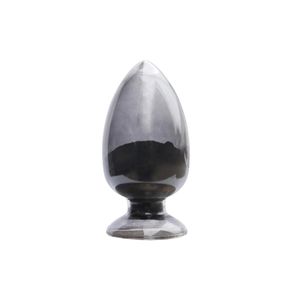
(TOB Li-ion Battery Carbon Coated Silicon Powder As Si Anode Materials)

(TOB Li-ion Battery Carbon Coated Silicon Powder As Si Anode Materials)
KEREA E DUA NA VEIVAKADEITAKI
VEIKA E VEIWEKANI
High Quality Silicon /Si Based Composite Materials Si-C Powder For Lithium Ion Battery Anode Materials

New Battery Materials Silicon Based Anode Composite Materials for Battery Anode
Battery Anode Material Silicon Monoxide SiO Powder

New Si -C Anode Battery Raw Materials Silicon-based Anode Material for Lithium Battery
Lithium Battery Packing Polyester Film Tape Adhesive Powder Coating PCB Masking PET Silicone Green Tape