Propesyonal na tagapagtustos ng materyal na grapayt, grapayt para sa EV, mantika, pugon at anumang iba pang industriya.

MGA PARAMETER NG PRODUKTO
Paglalarawan
1. Temperature: Carbon nanotubes are highly thermally conductive, meaning they can absorb and distribute heat more efficiently than other materials. This makes them suitable for applications where temperature is critical or高压 is required.
(Thermally conductive carbon nanotubes for pressure sensitive protective film Improved performance additive)
Overview of Thermally conductive carbon nanotubes for pressure sensitive protective film Improved performance additive
Mga carbon nanotube (Mga CNT) ay mga cylindrical nanostructure na binubuo ng isang sheet ng pinagsama-samang graphene, isang dalawang-dimensional na sala-sala ng mga carbon atom. Natuklasan sa 1991, Ang mga CNT ay nagpapakita ng mga pambihirang katangian dahil sa kanilang natatanging istruktura ng molekular, ginagawa silang isa sa mga pinaka-promising na materyales sa nanotechnology. Maaari silang maging single-walled (Mga SWCNT) o maraming pader (MWCNTs), naiiba sa bilang ng mga concentric carbon layer.
Features of Thermally conductive carbon nanotubes for pressure sensitive protective film Improved performance additive
Pambihirang Lakas at Katigasan: Ang mga CNT ay kabilang sa pinakamalakas at pinakamatigas na materyales na kilala, na may lakas ng makunat hanggang sa 60 beses na mas malaki kaysa sa bakal.
Magaan: Sa kabila ng kanilang lakas, Ang mga CNT ay napakagaan, na may density na malapit sa graphite.
Mataas na Thermal at Electrical Conductivity: Maaari silang magsagawa ng init at kuryente na mas mahusay kaysa sa tanso, pilak, o ginto, na may mga electron na malayang dumadaloy sa haba ng tubo.
Inert sa kemikal: Ang mga CNT ay lubos na lumalaban sa mga reaksiyong kemikal at kaagnasan, pagpapanatili ng kanilang mga ari-arian sa malupit na kapaligiran.
Kakayahang umangkop: Maaari silang baluktot o baluktot nang hindi masira, nagpapakita ng mahusay na kakayahang umangkop kasama ng kanilang lakas.
Malaking Surface Area: Ang mga CNT ay may napakataas na ratio ng surface area sa volume, pagpapahusay ng kanilang pagiging epektibo sa adsorption at catalytic application.

(Thermally conductive carbon nanotubes for pressure sensitive protective film Improved performance additive)
Parameter of Thermally conductive carbon nanotubes for pressure sensitive protective film Improved performance additive
1. Temperature: Carbon nanotubes are highly thermally conductive, meaning they can absorb and distribute heat more efficiently than other materials. This makes them suitable for applications where temperature is critical or is required.
2. Amplitude: The surface area of the carbon nanotube provides additional surface area for heat transfer, making it ideal for applications that require large surface areas.
3. Length: The length of the carbon nanotube affects its thermal conductivity. Longer nanotubes tend to have higher thermal conductivity, while shorter nanotubes may have lower conductivity.
4. Doping: When the material is mixed with, the dopant’s chemical properties can influence the thermal conductivity of the end product. Halimbawa, adding quantum si modify (QSI) can increase thermal conductivity in some cases.
5. Bitumen composition: The combination of monomer, additives, and filler can also affect the thermal conductivity of the final product. Monomers and additives are responsible for bonding the nanotube and improving its thermal conductivity, while fillers add structural integrity and prevent cracking.
6. Bonding strength: When combined, carbon nanotubes and can form strong bonds that allow them to conduct electricity without melting. These bonds can be improved by incorporating various types of ligands, such as free radicals, which act as intermediates between metal centers and perform binding to their site.
7. Ease of insertion: Once inserted into an environment, carbon nanotubes need to be gentlely inserted to avoid any damage or deformation. Choosing the right substrate, size, and shape can help ensure successful insertion.
By considering these factors when choosing thermally conductive carbon nanotubes, manufacturers can create products that meet specific requirements for pressure-sensitive protective films.

(Thermally conductive carbon nanotubes for pressure sensitive protective film Improved performance additive)
Applications of Thermally conductive carbon nanotubes for pressure sensitive protective film Improved performance additive
Electronics: Ginamit sa mga transistor, mga sensor, at mga display dahil sa kanilang mataas na conductivity at maliit na sukat, potensyal na pagbabago ng electronics miniaturization.
Mga Composite na Materyal: Hinaluan ng mga polimer upang lumikha ng magaan, malakas na composite para sa aerospace, sasakyan, at kagamitang pang-sports.
Imbakan ng Enerhiya: Sa mga baterya at supercapacitors, Pinapabuti ng mga CNT ang kapasidad ng pag-iimbak ng enerhiya at mga rate ng pag-charge/discharge.
Biomedical: Bilang mga sasakyan sa paghahatid ng droga, tissue engineering scaffolds, at sa mga biomedical sensor dahil sa kanilang biocompatibility at natatanging katangian ng transportasyon.
Mga katalista: Ang kanilang malaking lugar sa ibabaw ay gumagawa ng mga CNT na mahusay na mga suporta ng katalista at mga katalista mismo sa iba't ibang mga reaksiyong kemikal.
Pangkapaligiran Remediation: Ginagamit para sa paglilinis ng tubig at pagsasala ng hangin dahil sa kanilang mga katangian ng adsorptive para sa mga kontaminant.
Profile ng Kumpanya
Ang Graphite-Corp ay isang pinagkakatiwalaang global chemical material supplier & tagagawa na may higit sa 12 taong karanasan sa pagbibigay ng napakataas na kalidad ng graphite powder at mga produktong graphene.
Ang kumpanya ay may isang propesyonal na teknikal na departamento at Quality Supervision Department, isang mahusay na kagamitang laboratoryo, at nilagyan ng advanced na kagamitan sa pagsubok at after-sales customer service center.
Kung naghahanap ka ng mataas na kalidad na graphite powder at mga kamag-anak na produkto, mangyaring huwag mag-atubiling makipag-ugnay sa amin o mag-click sa mga kinakailangang produkto upang magpadala ng isang pagtatanong.
Mga Paraan ng Pagbabayad
L/C, T/T, Western Union, Paypal, Credit Card atbp.
Pagpapadala
Maaari itong ipadala sa pamamagitan ng dagat, sa pamamagitan ng hangin, o sa pamamagitan ng pagbubunyag sa lalong madaling panahon pagkatapos ng resibo ng pagbabayad.
FAQs of Thermally conductive carbon nanotubes for pressure sensitive protective film Improved performance additive
Q: Is Thermally conductive carbon nanotubes for pressure sensitive protective film Improved performance additive safe for human health and the environment?
A: Ang mga alalahanin ay itinaas tungkol sa potensyal na toxicity ng mga CNT, lalo na ang kanilang mga respirable form, na maaaring kahawig ng mga asbestos fibers. Patuloy ang pananaliksik upang magtatag ng mga kasanayan sa ligtas na paghawak at masuri ang mga pangmatagalang epekto sa kapaligiran.
Q: How is Thermally conductive carbon nanotubes for pressure sensitive protective film Improved performance additive produced?
A: Mayroong ilang mga paraan upang makagawa ng mga CNT, kabilang ang arc discharge, laser ablation, at chemical vapor deposition (CVD), na ang CVD ang pinakakaraniwan para sa industriyal na produksyon.
Q: Can Thermally conductive carbon nanotubes for pressure sensitive protective film Improved performance additive be seen with the naked eye?
A: Hindi, dahil sa kanilang mga sukat na nanoscale (karaniwan 1-100 nanometer sa diameter), Ang mga CNT ay hindi nakikita ng mata at nangangailangan ng electron microscopy para sa visualization.
Q: Is Thermally conductive carbon nanotubes for pressure sensitive protective film Improved performance additive expensive?
A: Sa kasaysayan, Ang mga CNT ay napakamahal dahil sa mga kumplikadong proseso ng synthesis. Gayunpaman, ang mga pag-unlad sa mga pamamaraan ng produksyon ay nagpababa ng mga gastos, kahit na nananatiling mas mahal ang mga ito kaysa sa maraming mga tradisyonal na materyales.
Q: How does Thermally conductive carbon nanotubes for pressure sensitive protective film Improved performance additive compare to graphene?
A: Parehong mga anyo ng carbon na may pambihirang katangian, ngunit ang graphene ay isang flat sheet habang ang mga CNT ay mga tubo. Nag-aalok ang Graphene ng higit na mahusay na in-plane conductivity, habang ang mga CNT ay mahusay sa out-of-plane conductivity at may mga karagdagang mekanikal na pakinabang dahil sa kanilang tubular na istraktura.
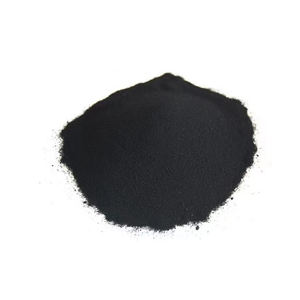
(Thermally conductive carbon nanotubes for pressure sensitive protective film Improved performance additive)
(Thermally conductive carbon nanotubes for pressure sensitive protective film Improved performance additive)
HUMILING NG QUOTE
MGA KAUGNAY NA PRODUKTO

High quality and high purity carbon nanotube conductive paste Battery specific carbon nanotube conductive paste

Carbon Fiber Bent Tubes Carbon Fiber Tubing Curved Tubes For water Fed Pole Window Cleaning Pole

high purity carbon graphite electrode with competitive
HUMANCHEM HTC-01 Waterborne carbon conductive coating Aluminum Foils for Battery Anode Substrate

OD3.0*2.0mm Pultruded carbon fiber round tubing tubes, carbon fiber tubes for kite bar