Profesionální dodavatel grafitových materiálů, grafit pro EV, tuk, pece a další průmyslová odvětví.

PARAMETRY PRODUKTU
Popis
The parameters of hydroxylated carbon nanotubes, such as their diameter and length, depend on the specific material they are made from and the desired application. Here are some general guidelines for determining the parameters:
(Hydroxylated carbon nanotubes)
Overview of Hydroxylated carbon nanotubes
Carbon nanotubes (CNTs) are cylindrical nanostructures consisting of a single sheet of rolled-up graphene, a two-dimensional lattice of carbon atoms. Objeveno v 1991, CNTs exhibit extraordinary properties due to their unique molecular structure, making them one of the most promising materials in nanotechnology. They can be single-walled (SWCNTs) or multi-walled (MWCNTs), differing in the number of concentric carbon layers.
Features of Hydroxylated carbon nanotubes
Exceptional Strength and Stiffness: CNTs are among the strongest and stiffest materials known, with tensile strengths up to 60 times greater than steel.
Lightweight: Despite their strength, CNTs are extremely lightweight, with a density close to that of graphite.
High Thermal and Electrical Conductivity: They can conduct heat and electricity far better than copper, silver, or gold, with electrons flowing freely along the tube’s length.
Chemicky inertní: CNTs are highly resistant to chemical reactions and corrosion, maintaining their properties in harsh environments.
Flexibility: They can be bent or twisted without breaking, displaying excellent flexibility alongside their strength.
Large Surface Area: CNTs have an incredibly high surface area to volume ratio, enhancing their effectiveness in adsorption and catalytic applications.

(Hydroxylated carbon nanotubes)
Parameter of Hydroxylated carbon nanotubes
The parameters of hydroxylated carbon nanotubes, such as their diameter and length, depend on the specific material they are made from and the desired application. Here are some general guidelines for determining the parameters:
1. Size: Hydroxylated carbon nanotubes can have different sizes depending on the properties of the and the desired application. Například, less than 20nm in size may be suitable for functional applications like drug delivery or sensors.
2. Shape: Hydroxylated carbon nanotubes can vary in shape, ranging from simple rectangular to bell-shaped structures. The preferred shape depends on factors such as application, surface roughness, and stability.
3. Electrochemical properties: Hydroxylated carbon nanotubes are sensitive to changes in electrochemical environments, which can affect their properties such as chirality, elektrická vodivost, and corrosion resistance.
4. Electric field: Hydroxylated carbon nanotubes are susceptible to electric fields, which can cause them to deform or rotate in response to changes in applied magnetic fields.
5. transport: Hydroxylated carbon nanotubes can undergo transport of electrons across their surface, which can lead to various behaviors in charge carriers and electronic devices.
6. Power conversion efficiency: Hydroxylated carbon nanotubes can also play an important role in power conversion, where they can be used to convert electricity into mechanical energy.
Celkově, the parameters of hydroxylated carbon nanotubes can be influenced by various factors that affect their behavior and functionality. It is important to choose materials with appropriate properties based on the specific application and requirements of the device.
(Hydroxylated carbon nanotubes)
Applications of Hydroxylated carbon nanotubes
Elektronika: Used in transistors, senzory, and displays due to their high conductivity and small size, potentially revolutionizing electronics miniaturization.
Composite Materials: Mixed with polymers to create lightweight, strong composites for aerospace, automobilový průmysl, a sportovního vybavení.
Skladování energie: In batteries and supercapacitors, CNTs improve energy storage capacity and charge/discharge rates.
Biomedical: As drug delivery vehicles, tissue engineering scaffolds, and in biomedical sensors due to their biocompatibility and unique transport properties.
Catalysts: Their large surface area makes CNTs efficient catalyst supports and catalysts themselves in various chemical reactions.
Environmental Remediation: Utilized for water purification and air filtration due to their adsorptive properties for contaminants.
Profil společnosti
Graphite-Corp je důvěryhodný globální dodavatel chemických materiálů & výrobce s více než 12letými zkušenostmi v poskytování vysoce kvalitních grafitových prášků a grafenových produktů.
Společnost má profesionální technické oddělení a oddělení kontroly kvality, dobře vybavená laboratoř, a vybavené pokročilým testovacím zařízením a poprodejním zákaznickým servisním střediskem.
Pokud hledáte vysoce kvalitní grafitový prášek a příbuzné produkty, neváhejte nás kontaktovat nebo klikněte na potřebné produkty a odešlete dotaz.
Platební metody
L/C, T/T, Western Union, Paypal, Kreditní karta atd.
Zásilka
Dalo by se to poslat po moři, letecky, nebo odhalením co nejdříve po obdržení platby.
FAQs of Hydroxylated carbon nanotubes
Q: Is Hydroxylated carbon nanotubes safe for human health and the environment?
A: Concerns have been raised about the potential toxicity of CNTs, particularly their respirable forms, which may resemble asbestos fibers. Research is ongoing to establish safe handling practices and assess long-term environmental impacts.
Q: How is Hydroxylated carbon nanotubes produced?
A: There are several methods to produce CNTs, including arc discharge, laser ablation, and chemical vapor deposition (CVD), with CVD being the most common for industrial-scale production.
Q: Can Hydroxylated carbon nanotubes be seen with the naked eye?
A: Žádný, due to their nanoscale dimensions (typically 1-100 nanometers in diameter), CNTs are invisible to the naked eye and require electron microscopy for visualization.
Q: Is Hydroxylated carbon nanotubes expensive?
A: Historically, CNTs were very expensive due to complex synthesis processes. Však, advances in production methods have lowered costs, though they remain more expensive than many conventional materials.
Q: How does Hydroxylated carbon nanotubes compare to graphene?
A: Both are forms of carbon with exceptional properties, but graphene is a flat sheet while CNTs are tubes. Graphene offers superior in-plane conductivity, while CNTs excel in out-of-plane conductivity and have additional mechanical advantages due to their tubular structure.
(Hydroxylated carbon nanotubes)
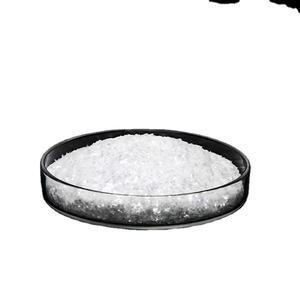
(Hydroxylated carbon nanotubes)
POŽÁDEJTE O NABÍDKU
SOUVISEJÍCÍ PRODUKTY
SW High moduls carbon tube fiber custom carbon fiber tubing
Silver coated carbon film for physical therapy electrodes graphene and carbon nanotubes composed of graphene and carbon
CNT improve the design of the battery Carbon nanotube
High quality and high purity multi-wall carbon nanotubes 99% conductive conductive paste multi-wall carbon nanotube powder

Shaft Tube Carbon Fiber Large Diameter 3k Black Maxi Tech Wall Plain Light Customizable Surface Dimensions Color Feature