Professional graphite material supplier, graphite for EV, grease, furnace and any other industries.

Tiny Titans Unchained Mastering Nanostructured Lithium Battery Materials
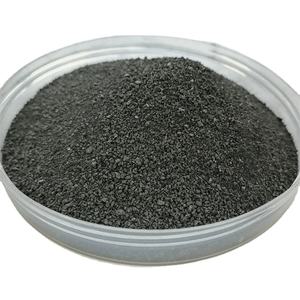
(Preparation And Performance Regulation Of Nanostructured Lithium Battery Materials)
Nanostructured lithium battery materials are changing energy storage. They are incredibly small particles. Think one billionth of a meter. Their tiny size creates special powers. These materials boost battery performance dramatically. Phones charge faster. Electric cars drive farther. This is the core of our energy revolution.
1 What Are Nanostructured Lithium Battery Materials?
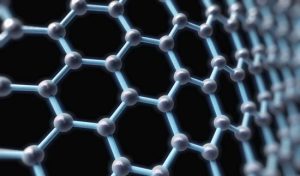
These materials are engineered heroes. They have nano-scale structures. Picture nanoparticles like tiny spheres. Imagine nanowires thinner than hair. See nanosheets like atomic pancakes. Their small size changes everything. Surface area increases massively. Lithium ions move shorter distances. Chemical reactions speed up. Common types include nano-cathodes like lithium iron phosphate. Nano-anodes like silicon nanoparticles. Nano-electrolytes for faster ion highways. These materials form smarter battery cores. They store more energy. They release power quicker. They endure more charging cycles. This is not regular battery chemistry. This is precision engineering at atomic scale.
2 Why Do Batteries Need Nanostructured Materials?
Old batteries hit physical limits. Graphite anodes store little lithium. Liquid electrolytes leak or burn. Nanostructures smash these barriers. Small particles prevent electrode cracking. Silicon expands during charging. Bulk silicon shatters. Nano-silicon swells safely. Thin nanowires absorb stress. Surface area matters hugely. More surface stores more lithium ions. Ions travel nanometers not micrometers. Charging times drop from hours to minutes. Safety improves too. Solid nano-electrolytes block dangerous dendrites. Thermal stability jumps. Batteries overheat less. Power density soars. Electric cars accelerate faster. Phones stay cool during gaming. Battery lifespan stretches. Phones last three years not two. Electric car warranties extend. This solves real consumer pains.
3 How Are These Nano-Materials Made?
Creating these tiny titans demands clever methods. Sol-gel processing is common. Mix metal salts in liquid. Form a gel. Bake it into nano-powders. Hydrothermal synthesis uses pressure cookers. Chemicals react under heat and pressure. Grow perfect nano-crystals. Electrospinning makes nano-wires. Shoot liquid polymer through electric fields. Create hair-thin fibers. Co-precipitation mixes solutions. Force solids to form identical nanoparticles. Scientists control size fiercely. Temperature changes particle dimensions. Stirring speed alters shapes. Precise timing stops overgrowth. Coating adds superpowers. Carbon coats silicon nanoparticles. Prevents swelling damage. Aluminum oxide layers shield cathodes. Quality checks are brutal. Electron microscopes verify nano-size. X-ray machines check crystal structures. Battery tests prove performance gains. One mistake ruins the batch.
4 Where Do These Nano-Batteries Apply?
Everywhere energy matters. Smartphones get slimmer. Nano-anodes pack 10 times more charge. Laptops run 18 hours not 8. Electric cars are the biggest winners. Nano-cathodes boost range past 400 miles. Charge to 80% in 15 minutes. Grid storage soaks up solar power. Nano-materials handle daily charging for decades. Medical devices transform. Heart implants last 15 years. No replacement surgeries. Drones fly farther. Deliver packages across cities. Aerospace leaps ahead. Satellites use less battery weight. More instruments fit. Electric planes become possible. Even power tools benefit. Drills work all day on one charge. No cord hassles. This is not future tech. It’s inside your devices right now.
5 FAQs About Nano-Battery Materials
Q: Are nano-batteries safe?
A: Safer than old batteries. Nano-solid electrolytes prevent fires. Stable structures resist overheating. Passing crash tests in cars.
Q: Why so expensive?
A: Production needs perfect labs. Raw materials like cobalt cost much. Prices drop every year. Electric car demand lowers costs.
Q: How long until my phone lasts a week?
A: Soon. Labs test silicon nano-anodes now. Commercial phones get them in 2025.
Q: Can they freeze or overheat?
A: Handle extreme temperatures better. Nano-electrolytes work at -30°C. Protect against desert heat.
Q: Recycling possible?
A: Yes but needs special plants. Cobalt and lithium recovery works. New laws push battery recycling.
Q: Will oil companies vanish?

(Preparation And Performance Regulation Of Nanostructured Lithium Battery Materials)
A: Not overnight. But electric cars grow 30% yearly. Nano-batteries make them unbeatable.