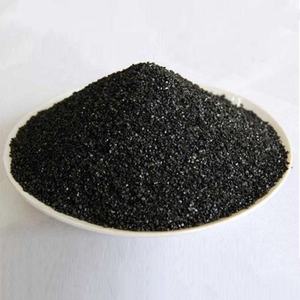
Professional graphite material supplier, graphite for EV, grease, furnace and any other industries.

Hard Carbon: The Unsung Hero of Better Batteries

(Performance Improvement And Optimization Of Hard Carbon Negative Electrode Materials)
Everyone’s buzzing about batteries. Phones, cars, the grid – they all need them. But what’s inside? One key player often gets overlooked: the negative electrode, the anode. For next-gen sodium-ion batteries, hard carbon is stepping into the spotlight. It’s not perfect yet. Making hard carbon anodes perform better is a huge focus. Let’s dive into why this material matters and how scientists are making it work harder for us.
1. What is Hard Carbon?
Think of carbon, like graphite in your pencil. Hard carbon is different. It’s messy. Imagine a pile of crumpled paper sheets, some stacked neatly, others all jumbled up. That’s kind of like hard carbon’s structure. It’s made by baking certain carbon-rich stuff really hot, like wood, sugar, or even old tires, but without oxygen. This “baking” is called pyrolysis.
This messy structure creates lots of little nooks and crannies. These spaces are super important. They let sodium ions (in sodium-ion batteries) or lithium ions (in some cases) slip in and out easily. Think of it like a sponge soaking up water. Hard carbon soaks up those ions. Graphite, the usual anode star for lithium-ion, struggles with bigger sodium ions. Hard carbon handles them much better. That’s its big advantage.
2. Why Optimize Hard Carbon Anodes?
Hard carbon shows promise, especially for sodium-ion batteries. Sodium is cheaper and more common than lithium. But raw hard carbon isn’t ready for the big leagues. Here’s why tweaking it is crucial:
Capacity Needs a Boost: How much energy it can store per gram isn’t always high enough yet. We need more.
First Time Blues: The very first charge cycle suffers from something called “irreversible capacity loss.” Many sodium ions get stuck or react badly, never to be used again. This wastes material and lowers overall battery life.
Sluggish Charging: Getting ions in and out quickly (fast charging) can be tricky. The internal resistance might be too high.
Fading Away: Over many charge-discharge cycles, the capacity can slowly drop. We need it to stay strong for years.
Getting it Just Right: Making hard carbon consistently with the exact right properties for top performance is tough. We need reliable, cheap ways to make lots of it.
Optimizing hard carbon tackles these problems head-on. Better performance means cheaper, longer-lasting, faster-charging batteries. That’s good for everyone.
3. How are Scientists Improving Hard Carbon?
Researchers aren’t just sitting around. They’re attacking the problem from many angles:
Picking the Right Stuff: What you start with matters. Biomass (like coconut shells, peanut shells), sugars (glucose), polymers (plastics), even petroleum pitch are common “precursors.” Scientists test different ones to see which gives the best structure after baking. Sometimes they mix them.
Baking it Better: How you bake it is critical. The temperature (usually 1000-1600°C), how long it bakes, and the atmosphere (like nitrogen or argon) dramatically change the final structure. Tweaking these “pyrolysis parameters” tunes those nooks and crannies.
Doping for Power: Adding tiny amounts of other elements (“dopants”) like nitrogen, sulfur, phosphorus, or even metals can work wonders. These dopants can create more spots for ions to park, make the material conduct electricity better, or help form a better protective layer on the surface.
Building Better Structure: Scientists try to directly engineer the carbon’s architecture. Creating specific pore sizes, adding extra space between layers, or designing special shapes (like spheres or sheets) helps ions move faster and store more efficiently.
Surface Makeover: The surface where the carbon touches the battery electrolyte is key. Treating it with acids, bases, or other chemicals (“surface modification”) can remove unhelpful groups or add helpful ones. This reduces those bad first-cycle reactions and improves stability. Adding a super thin, protective coating (“artificial SEI”) is another smart trick.
Playing with Pores: Sometimes, they use templates to create perfectly sized pores, or activate the carbon with chemicals or steam to open up more space. This increases surface area for reactions.
It’s rarely just one trick. Often, scientists combine several approaches – picking a good precursor, baking it just right, doping it, and modifying the surface – to get the best results.
4. Applications: Where Better Hard Carbon Anodes Shine
Optimized hard carbon anodes aren’t just lab curiosities. They’re targeting real-world uses:
Sodium-Ion Battery Powerhouse: This is the main event. Sodium-ion batteries using improved hard carbon anodes are perfect for large-scale energy storage. Think storing solar power for the grid, powering backup systems for buildings, or even providing cheaper energy storage for electric vehicles where top energy density isn’t the absolute priority. Their lower cost and good safety are big pluses.
Lithium-Ion Boosters: While graphite dominates lithium-ion anodes, optimized hard carbon offers advantages in specific areas. It can handle fast charging better than graphite in some cases. It’s also safer because it avoids the risk of lithium plating (which can cause fires) at high charge rates or low temperatures.
Hybrid & Emerging Tech: Hard carbon finds roles in lithium-sulfur batteries or even potassium-ion batteries as researchers explore alternatives. Its ability to handle larger ions remains valuable.
Beyond Batteries: While batteries are the main focus, optimized hard carbon materials might also be useful in supercapacitors (for quick bursts of power) or even water purification due to their high surface area.
The goal is clear: make sodium-ion batteries using hard carbon a practical, affordable choice for storing renewable energy and powering our world reliably.
5. Hard Carbon Anode FAQs
Let’s clear up some common questions:
Is hard carbon better than graphite? For sodium-ion batteries, definitely yes. Graphite struggles with sodium. For lithium-ion, it’s different. Graphite stores more lithium per gram. Hard carbon often charges faster and is safer at high speeds or in the cold. It depends on the battery’s needs.
Is hard carbon safe? Generally, yes. Carbon materials are inherently more stable than some alternatives. Optimized hard carbon focuses on making it even safer by reducing unwanted reactions and improving stability over time.
How long do these batteries last? That’s the target of optimization! Better hard carbon anodes significantly improve cycle life. Early sodium-ion batteries with basic hard carbon showed hundreds of cycles. Optimized versions aim for thousands of cycles, making them viable for long-term grid storage.
Is it expensive? The raw materials (biomass waste, sugars) are often cheap. The challenge is making the optimization processes (like precise pyrolysis or doping) scalable and cost-effective. This is a major research focus. The potential for lower overall battery cost is a huge driver.

(Performance Improvement And Optimization Of Hard Carbon Negative Electrode Materials)
When will we see these batteries? Sodium-ion batteries using hard carbon anodes are already starting to appear commercially, especially in China for applications like electric bikes and grid storage. Wider adoption, particularly for electric cars, depends on continued improvements in energy density and cost from ongoing optimization efforts. It’s happening faster than many think.