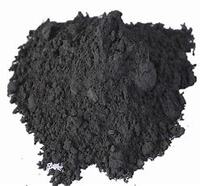
Professional graphite material supplier, graphite for EV, grease, furnace and any other industries.

Cracking the Hard Carbon Code for Better Sodium Batteries

(High Performance Preparation Of Hard Carbon Negative Electrode Materials For Sodium Batteries)
Batteries power our world. Phones, laptops, electric cars – they all depend on storing energy efficiently. Lithium-ion batteries dominate now. But scientists hunt for alternatives. Sodium batteries are a strong contender. Sodium is cheap and abundant. Making sodium batteries work well needs special materials. Hard carbon is the star player for the negative electrode. Let’s explore why hard carbon is key and how we make it top-notch for sodium batteries.
1. What is Hard Carbon for Sodium Batteries?
Think of a battery. It has two main parts: a positive electrode and a negative electrode. Ions shuttle between them when charging and discharging. For sodium batteries, sodium ions are the shuttles. The negative electrode needs to hold these sodium ions efficiently. Hard carbon is the material scientists believe is best for this job.
Hard carbon isn’t like pencil lead (graphite). Graphite works great for lithium. Sodium ions are bigger. They don’t fit well into graphite’s structure. Hard carbon is different. It’s messy. Its structure has layers, but they are disordered. It has tiny pores and spaces. This messy structure creates perfect “parking spots” for those larger sodium ions. Think of graphite like a neat parking garage designed for compact cars. Hard carbon is like a flexible, multi-level lot that easily accommodates bigger trucks (sodium ions). It lets sodium ions slip in and out smoothly during charging and discharging. This is crucial for a battery’s performance.
2. Why is Hard Carbon the Go-To Material?
So why focus so much on hard carbon? Several reasons make it stand out. First, sodium batteries need cheaper alternatives to lithium. Hard carbon fits perfectly. We can make it from cheap, abundant stuff. Think biomass waste – things like coconut shells, wood chips, or even old tires. Turning waste into a valuable battery component is smart and sustainable.
Second, hard carbon stores a good amount of sodium. This means batteries using it can hold a decent charge. Scientists measure this as capacity. Hard carbon offers high capacity for sodium ions. Third, it lasts a long time. A good battery must recharge many times without wearing out. Hard carbon electrodes show excellent cycling stability. They can handle the repeated in-and-out movement of sodium ions for hundreds or thousands of cycles. Fourth, it’s safe. Hard carbon generally operates at safe voltages. This reduces risks like dendrite growth. Dendrites are tiny metal spikes that can cause short circuits. Preventing them is vital for battery safety. Finally, it charges relatively fast. Sodium ions move quickly into the disordered structure. This enables faster charging speeds compared to some other materials.
3. How Do We Prepare High-Performance Hard Carbon?
Making great hard carbon isn’t just about burning stuff. It’s a careful process. We call it “high-performance preparation.” The goal is to control the messy structure perfectly. We want just the right amount of disorder, the perfect size pores, and the ideal surface chemistry. This unlocks the best storage for sodium.
The process usually starts with a carbon-rich precursor. Biomass like coconut shells is popular. Sometimes we use synthetic polymers or pitches. The first big step is pre-treatment. We might wash the precursor. We might soak it in chemicals. This removes impurities and can change its basic structure. Next comes carbonization. We heat the precursor in an oven called a furnace. We do this without oxygen. This is called pyrolysis. The temperature is critical. Too low, and the material isn’t fully carbonized. Too high, and the structure becomes too ordered, like graphite, which is bad for sodium. Finding the sweet spot, often between 1000°C and 1500°C, is key.
But we often don’t stop there. Activation is another powerful tool. After carbonization, we might treat the hard carbon with chemicals like potassium hydroxide or gases like steam or CO2. This etches away some carbon atoms. It creates more tiny pores. More pores mean more places for sodium ions to park. This boosts capacity. Sometimes we dope the carbon. We add small amounts of other elements like nitrogen, phosphorus, or sulfur. These atoms alter the electronic structure. They can make it easier for sodium ions to attach to the carbon surface. This improves performance further. It’s like baking a perfect cake. You need the right ingredients, the perfect temperature, and sometimes a special glaze or topping to make it exceptional.
4. Applications: Where Will These Sodium Batteries Shine?
Sodium batteries with hard carbon anodes aren’t meant to replace your phone battery tomorrow. They target specific areas where their advantages matter most. Think big energy storage. The grid needs massive batteries to store solar power for night use or wind power for calm days. Cost and abundance are huge factors here. Sodium and hard carbon are cheap. This makes sodium batteries very attractive for large-scale stationary storage.
Electric vehicles (EVs) are another target. While lithium rules premium EVs now, sodium batteries could power more affordable models. They could also be great for shorter-range city cars or scooters. Their good performance in cold weather is a plus. They also charge fast. Imagine topping up your EV battery in minutes. Sodium batteries with optimized hard carbon could help make that common.
Beyond cars and grids, think smaller devices. Power tools, electric bikes, and even some consumer electronics could use these batteries. Their safety profile is excellent. This is important for devices used daily in homes. Essentially, anywhere we need reliable, safe, and affordable energy storage, sodium batteries with hard carbon anodes have strong potential. They fill a gap, especially where lithium’s cost or supply chain is a concern.
5. Hard Carbon for Sodium Batteries: FAQs
Let’s tackle some common questions about this exciting tech.
Q: Are sodium batteries with hard carbon really better than lithium?
A: Not necessarily “better” overall, but different. They won’t match top lithium batteries in energy density yet. Meaning, lithium packs more power into a smaller space. Sodium batteries shine on cost, raw material availability, safety, and performance in cold temperatures. They are a compelling alternative for specific uses.
Q: How expensive is hard carbon?
A: This is a major advantage. The precursors (like biomass waste) are very cheap. The manufacturing process, while needing optimization, is generally less complex and costly than making advanced lithium anode materials. High-performance preparation adds cost but aims for better value long-term.
Q: Is it safe?
A: Hard carbon itself is generally stable and safe. Sodium batteries using hard carbon anodes typically operate at safer voltages than some lithium systems. This reduces risks like thermal runaway (fires). The materials are also less reactive. Safety is a key selling point.
Q: What about the environment?
A: It has strong green credentials. Using biomass waste as a feedstock is sustainable. Sodium is far more abundant than lithium, reducing mining pressure. The overall environmental footprint looks favorable, especially for grid storage replacing fossil fuels.
Q: When will we see these batteries in stores?
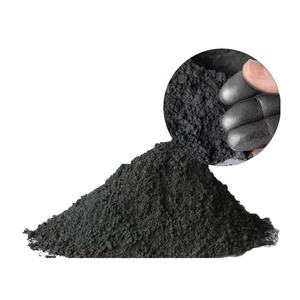
(High Performance Preparation Of Hard Carbon Negative Electrode Materials For Sodium Batteries)
A: They are coming fast! Several companies have announced sodium-ion batteries entering production or already in use, especially in China for electric two-wheelers and grid storage. Wider adoption in cars and global markets is expected within the next few years as manufacturing scales up and performance keeps improving.