Professional graphite material supplier, graphite for EV, grease, furnace and any other industries.

Graphene in Brakes: The Super Material Shaking Up Friction Tech
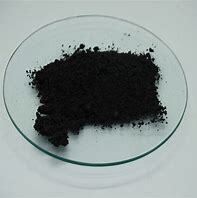
(Application Prospects Of Graphene In Friction Materials)
Ever wonder what makes your car stop smoothly or your bike brakes grip reliably? It’s all about friction materials. Think brake pads and clutch linings. These parts face incredible heat and pressure. They need to be tough. Right now, materials like metals, ceramics, and carbon fibers do the job. But scientists are buzzing about something new: graphene. This super material could change everything.
Graphene sounds fancy, but it’s simple stuff. Imagine pure carbon atoms locked together in a flat sheet, just one atom thick. Picture chicken wire made of carbon. That’s graphene. Its structure gives it amazing powers. It’s incredibly strong. Seriously, it’s tougher than steel. It’s also a fantastic conductor of heat and electricity. And it’s super slippery. These properties make scientists very interested in friction materials.
So, how can this super-sheet help your brakes? First, think about strength. Friction materials get smashed and ground down constantly. Adding graphene makes them much tougher. It’s like adding microscopic steel reinforcements. This means brake pads last longer. You won’t need replacements as often.
Next, heat is a big problem. When you brake hard, things get extremely hot. This heat can ruin traditional materials. Graphene loves heat. It sucks it up and spreads it out quickly. This stops hot spots from forming. Hot spots make brakes fade or even fail. Graphene helps keep everything cooler. Cooler brakes work better and last longer.
Then there’s friction itself. You need the right amount of grip. Too little, and you don’t stop. Too much, and things wear out fast or judder. Graphene’s slippery nature helps here. It acts like tiny ball bearings. It lets surfaces slide just enough. This creates smoother, more consistent braking. You get better control. Less annoying brake squeal is likely too.
Graphene also helps the material itself. It bonds really well with other stuff like resins and metals. This makes the whole friction composite stronger. It stops pieces from breaking off. Everything holds together better under stress.
Scientists are testing this now. They’re mixing small amounts of graphene into traditional friction materials. The results look promising. Brakes with graphene seem to handle heat better. They wear down slower. They offer smoother performance. Companies are paying attention. The auto industry wants safer, longer-lasting brakes. Aerospace needs materials that won’t fail under extreme conditions.
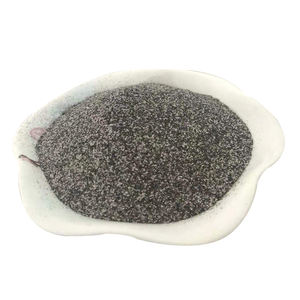
(Application Prospects Of Graphene In Friction Materials)
Challenges remain. Making high-quality graphene consistently is tricky. Mixing it perfectly into complex materials takes work. And cost is a factor. Graphene isn’t cheap yet. But research is moving fast. As production scales up, prices should drop. The potential benefits for performance and safety are huge. Imagine brakes that last twice as long and stop you smoother every time. That’s the future graphene could bring to friction.