Professional graphite material supplier, graphite for EV, grease, furnace and any other industries.

Title: Hard Carbon: The Secret Sauce in Drone Batteries?
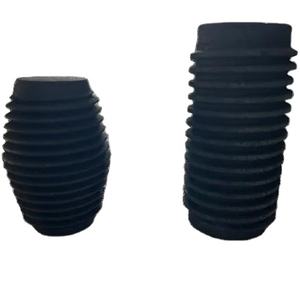
(Application Of Hard Carbon In Drone Batteries)
1. What is Hard Carbon?
Let’s break down this “Hard Carbon” stuff. Forget diamonds or pencil lead. Hard carbon is different. Picture a messy pile of plates and chairs. That’s kind of what hard carbon looks like under a super-powerful microscope. Scientists call it “disordered” or “amorphous.” It’s mostly carbon atoms arranged randomly, not in neat rows like graphite. Think of it like a super-tough, microscopic sponge. This structure creates lots of nooks and crannies inside. These nooks are key. They are perfect for holding onto lithium ions. Lithium ions are the tiny energy carriers inside rechargeable batteries. Hard carbon acts like a super-efficient storage unit for them. It’s made by baking certain organic materials at high temperatures without oxygen. Things like wood, nutshells, or special plastics get “cooked” this way. The result is a hard, black material. This material is becoming a battery superstar, especially for drones.
2. Why Use Hard Carbon in Drone Batteries?
Drones need batteries that are tough, fast, and last long. Regular graphite batteries are good, but they have limits. Hard carbon steps in to solve some big drone battery headaches. First, drone batteries get charged and discharged a lot. Hard carbon handles this constant cycling much better than graphite. It doesn’t degrade as quickly. This means your battery lasts longer before needing replacement. Second, drones need bursts of power for takeoff, climbing, or fighting wind. Hard carbon lets lithium ions move in and out super fast. This provides the quick power punch drones need. Third, safety is huge. Lithium metal can sometimes form dangerous spikes inside batteries. Hard carbon helps prevent this. It absorbs lithium ions more smoothly and safely. Fourth, hard carbon works great in very cold weather. Graphite batteries often struggle in the cold. Drones using hard carbon batteries can fly reliably in lower temperatures. Finally, hard carbon allows batteries to charge faster. Less time charging means more time flying. These reasons make hard carbon a game-changer for drone performance.
3. How Does Hard Carbon Work in a Battery?
Understanding how hard carbon works needs a quick look inside a lithium-ion battery. Basically, you have two ends: an anode and a cathode. Lithium ions shuttle between them through a liquid called electrolyte. When you charge the battery, ions move from the cathode to the anode. The anode stores them. When you use the battery, the ions move back to the cathode, releasing energy. The anode is where hard carbon shines. Instead of graphite, hard carbon becomes the anode material. Here’s the magic: Hard carbon’s messy structure creates many “pores” and “defects.” These are like tiny garages and parking spots specifically designed for lithium ions. They can hold a lot more ions than graphite can. Also, the pathways inside hard carbon are wider and less restricted. This lets ions zip in and out much faster. Think of graphite as a narrow, crowded street. Hard carbon is like a wide-open highway for ions. This fast movement means quick charging and powerful bursts for your drone. Plus, this structure is less likely to get damaged by repeated charging. It just holds up better over time.
4. Applications: Hard Carbon Powering the Skies
Hard carbon isn’t just theory. It’s already taking flight in real-world drone batteries. Several major drone manufacturers are using it. They see the clear benefits. Let’s see where it makes the biggest impact. Delivery drones need maximum range. Hard carbon batteries store more energy. This lets drones carry packages further on a single charge. This is crucial for making drone delivery practical. Professional photography and mapping drones need long flight times. Hard carbon batteries last longer per charge. This means more time capturing high-quality images or detailed maps without landing. Industrial inspection drones face tough conditions. They fly near power lines, pipelines, or wind turbines. Hard carbon’s reliability and safety in demanding environments is vital. These drones can’t afford battery failures. Racing drones demand insane power bursts. Hard carbon delivers the high-speed discharge needed for those lightning-fast maneuvers. Search and rescue drones operate in cold or unpredictable weather. Hard carbon’s cold-weather performance ensures they stay airborne when needed most. Even consumer drones benefit. Users get longer flight times and faster charging. The result is simply more fun and less waiting. Hard carbon is making drones more capable across the board.
5. Hard Carbon Drone Batteries: FAQs
People have questions about this new tech. Let’s tackle some common ones.
Is hard carbon safe? Yes, generally safer than graphite alternatives. Its structure helps prevent dangerous lithium plating. This is especially important during fast charging or in cold weather. Battery makers also add other safety features.
Do hard carbon batteries cost more? Right now, often yes. The materials and process can be more expensive than making graphite anodes. But prices are coming down as production scales up. The longer lifespan of hard carbon batteries also helps offset the initial cost over time.
How much longer do they last? It varies. Hard carbon anodes can handle many more charge-discharge cycles than graphite. Think hundreds or even thousands more cycles. This means your drone battery pack might last years longer before its capacity drops too low.
Can I charge them faster? Absolutely! This is a major advantage. Hard carbon’s structure allows lithium ions to move in and out very quickly. This translates directly to faster charging times. Some batteries can reach 80% charge in under 30 minutes.
Do they work in all weather? They perform significantly better in cold weather compared to graphite batteries. While extreme cold affects all batteries, hard carbon maintains more of its power and charging ability at lower temperatures. This gives drones more reliable operation in chilly conditions.
Will my old drone charger work? Usually, yes. But always check the battery manufacturer’s instructions. Some advanced fast-charging features might require a compatible charger to work safely and effectively. Using the recommended charger is best.

(Application Of Hard Carbon In Drone Batteries)
Is this the future? It looks very promising. The combination of safety, fast charging, long life, and good cold-weather performance makes hard carbon ideal for demanding applications like drones. As costs decrease, its use will likely become much more widespread.