Professional graphite material supplier, graphite for EV, grease, furnace and any other industries.

Sodium-ion batteries (NIBs) have emerged as a crucial supplement to lithium-ion batteries, boasting core advantages such as abundant sodium resource reserves and low costs. They are particularly well-suited for large-scale energy storage and low-speed power applications. Cathode materials are the key determinants of a battery’s energy density, cycle life, and safety. Classified by crystal structure and chemical composition, NIB cathode materials fall into three major categories: layered oxides, polyanionic compounds, and Prussian blue analogs (PBAs). These three types complement each other in performance, collectively driving the industrialization of sodium-ion batteries
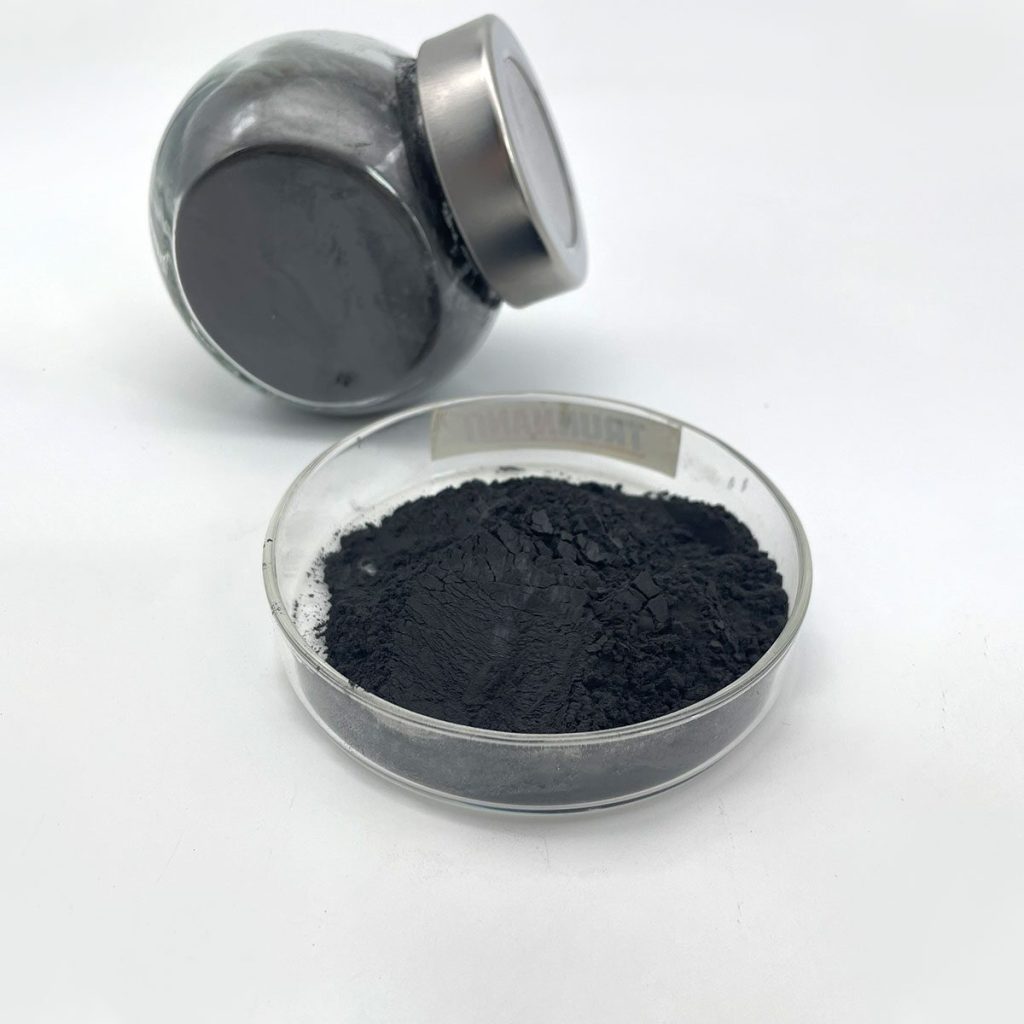
I. Layered Oxides: The Mainstream Route Prioritizing Energy Density
As the earliest researched and fastest-industrialized sodium-ion cathode material, layered oxides follow the general formula NaₓMO₂ (where M represents transition metals such as Fe, Mn, Co, and Ni). They are further divided into P2-type and O3-type based on sodium content and crystal structure. Their core strengths lie in high energy density (with a laboratory-level capacity of 160–180 mAh/g) and excellent rate performance, coupled with mature preparation processes, making them ideal for low-speed electric vehicles and certain industrial and commercial energy storage scenarios.
A representative material is NaNi₀.₅Mn₀.₅O₂. Through doping with elements like Fe and Cu and structural modulation, its cycle life has been significantly enhanced from 500 cycles to over 3,000 cycles. However, this material faces drawbacks such as easy structural phase transition and poor air stability, which require improvement via modification techniques like carbon coating and ion doping. Currently, enterprises including CATL and BYD have laid out layouts in this direction, making it one of the core choices for sodium-ion battery industrialization.
II.Polyanionic Compounds: The Mainstay for Safe and Long-Cycle Energy Storage
Polyanionic compounds are centered on a stable polyanionic framework (e.g., PO₄³⁻, SO₄²⁻). Representative materials include Na₃V₂(PO₄)₃ and NaFePO₄, which have become the top choice for energy storage due to their outstanding thermal stability and long cycle characteristics. Their key advantages are remarkable: extremely long cycle life, capable of meeting the 8–10 year service requirement of energy storage systems; and excellent low-temperature performance, with a capacity retention rate exceeding 92% at -20°C and stable discharge even at -50°C, adapting to harsh environments such as cold and high-altitude regions.
The main limitations of these materials are poor electronic conductivity and low specific capacity. After modification via carbon coating and metal ion doping, their energy density has been boosted to 120–140 Wh/kg. In 2025, their shipment share reached approximately 70%, establishing them as core materials for large-scale energy storage and household energy storage. Enterprises like CATL Naxtreme and Penghui Energy have achieved large-scale production of this type of material
III. Prussian Blue Analogs: A Potential Option for Cost Reduction
Prussian blue analogs (also known as Prussian white) follow the general formula NaₓM[Fe(CN)₆]·zH₂O (where M represents Fe, Mn, Ni, etc.). They feature an open framework structure, enabling fast sodium ion diffusion and excellent rate performance. Their core advantages include raw material affordability, simple preparation processes, and no need for precious metals, resulting in significant cost advantages, with a laboratory energy density of up to 200 Wh/kg
The main challenge for these materials is excessive crystal water content, which easily causes capacity decay and structural collapse. This issue can be effectively addressed through dehydration treatment and lattice regulation. Currently, companies such as CATL Naxtreme and Altris have realized their industrialization, primarily applying them to low-cost scenarios like electric bicycles and UPS power supplies, making them a core direction for long-term cost reduction in sodium-ion batteries
IV. Application Scenarios and Future Outlook
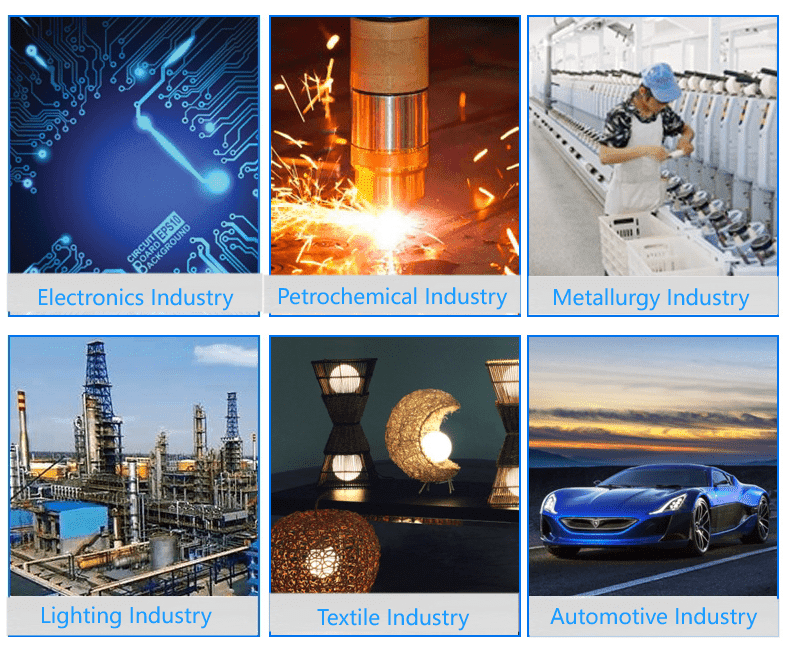
The three major cathode materials form a clear scenario-adapted layout: layered oxides target low-speed electric vehicles, light-duty power and other scenarios with high energy density requirements; polyanionic compounds dominate large-scale energy storage, household energy storage, and backup power supplies in cold regions, catering to the demand for long life and high safety; Prussian blue analogs focus on low-cost low-speed power and basic energy storage applications.
At present, through technical means such as composite modification and new phase structure design, the cycle life of layered oxides has exceeded 3,000 cycles, polyanionic compounds have achieved ten-thousand-cycle ultra-long cycling, and the cost of Prussian blue analogs has been further reduced. In 2026, the production capacity of sodium-ion battery cathode materials is projected to surpass 120,000 tons. With the continuous breakthrough of technical bottlenecks, sodium-ion batteries will play a pivotal role in the energy storage and power sectors under the “dual carbon” goals.